
Varietal


$23.99
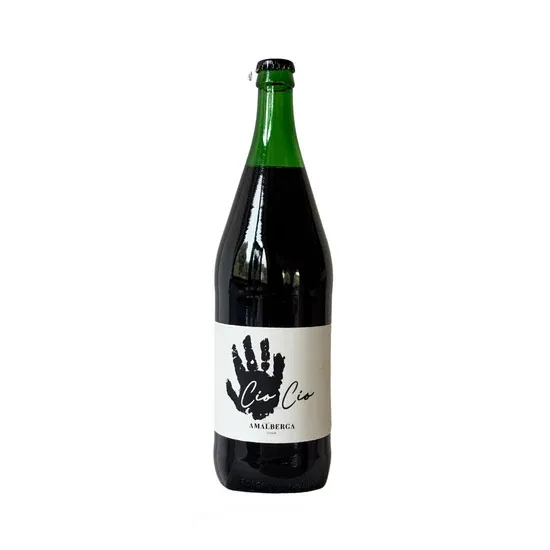
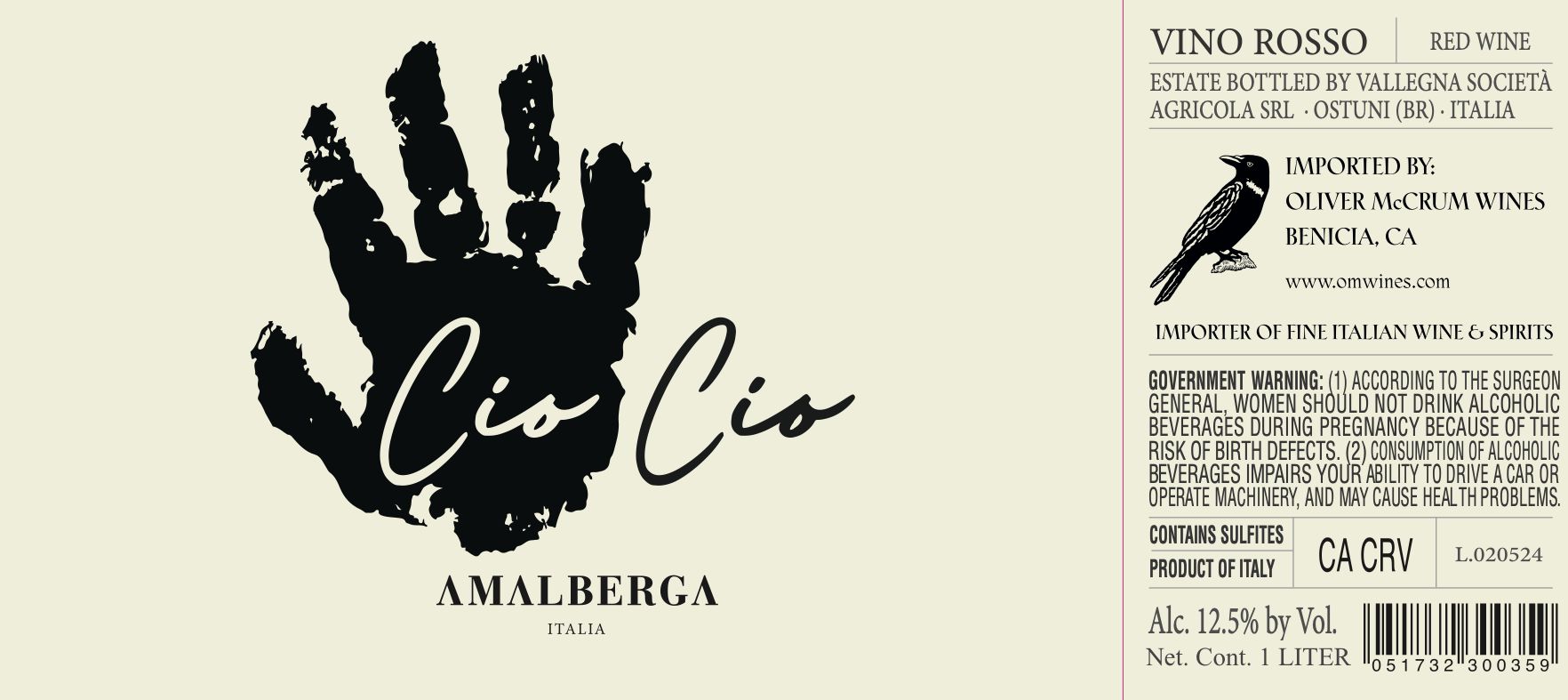
Amalberga CIÒ CIÒ (1-Liter)
This embodies the wine tradition of the past, but revisited with modern techniques.
Following in the footsteps of his grandfather Ninì, who once cultivated a small vineyard composed of native white and black grape varieties, today Amalberga produces a unique blend each year that reflects the particular characteristics of the harvest.
The result is a fresh and versatile wine, characterized by its great drinkability and ideal for accompanying light and not overly structured dishes. The litre bottle with a crown cap evokes the idea of simplicity and reuse, inviting informal, everyday consumption.
In stock
Amalberga CIÒ CIÒ (1-Liter)
This is the Amalberga house wine, pale red in color, completely drinkable, particularly when chilled. It is from a vineyard that was planted to mixed indigenous varieties (Ottavianello, Negroamaro, Susumaniello, Verdeca, and Minutolo), which are harvested together, then co-fermented and aged in stainless steel. (Minutolo is a rare white variety from this valley; Verdeca is also an Apulian white variety; Ottavianello is the Apulian name for the red variety Cinsault, and Negroamaro is a widely grown Apulian red variety.)
Interestingly, it is also a mix of two vintages – they keep approximately half of each vintage to add to the following. According to the team at Amalberga this preserves a Puglian tradition of producing table wine (hence Ciò Ciò’s designation as Vino da Tavola) from field blends of red and white grapes that were not necessarily organized by variety or soil type as we might today.
The vineyard, called Vigna Colacurto, belonged to Dario’s grandfather and is located near the commune of Caravigno. The team considers Ciò Ciò their contemporary version of a vino da tavola, festive and food friendly – a wine for everyone.
‘Ciò Ciò’ is the nickname Dario and Gloria gave to their son, Francesco, when he was four years old as a term of endearment. In English we would say adorable and/or lovable, characteristics that also apply to the wine.
Ciò Ciò is pale red in color; the distinctive aroma is reminiscent of jamaica, which I really like; on the palate it’s a lovely fresh and lighter red, reminiscent of pomegranate juice, with a hint of salinity on the finish. I will be drinking this slightly chilled with all sorts of dishes, an aperitif of spicy olives and and potato chips, a mezze platter or simple roast chicken.
Region: Puglia, Italy
Farming: Certified organic
Age of vines: Planted 1975
Soil Type: Silty-clay with a high content of limestone pebbles
Maceration & Fermentation: Grapes co-fermented in stainless steel. Some is blended into the current release and some is kept for the following year.
Production: 7,500 bottles annually
| Weight | 4 lbs |
|---|---|
| Dimensions | 4 × 4 × 12 in |
| Type | Wine |
| Wine | |
| Varietal | |
| Winery/Vintner | Cantina Amalberga |
Only logged in customers who have purchased this product may leave a review.

In stock




Reviews
There are no reviews yet.